Everything You Need to Know About Renting a Roll-Off Dumpster
April 27, 2026
Clint LePage
What Is a Roll-Off Dumpster and How Does It Work?
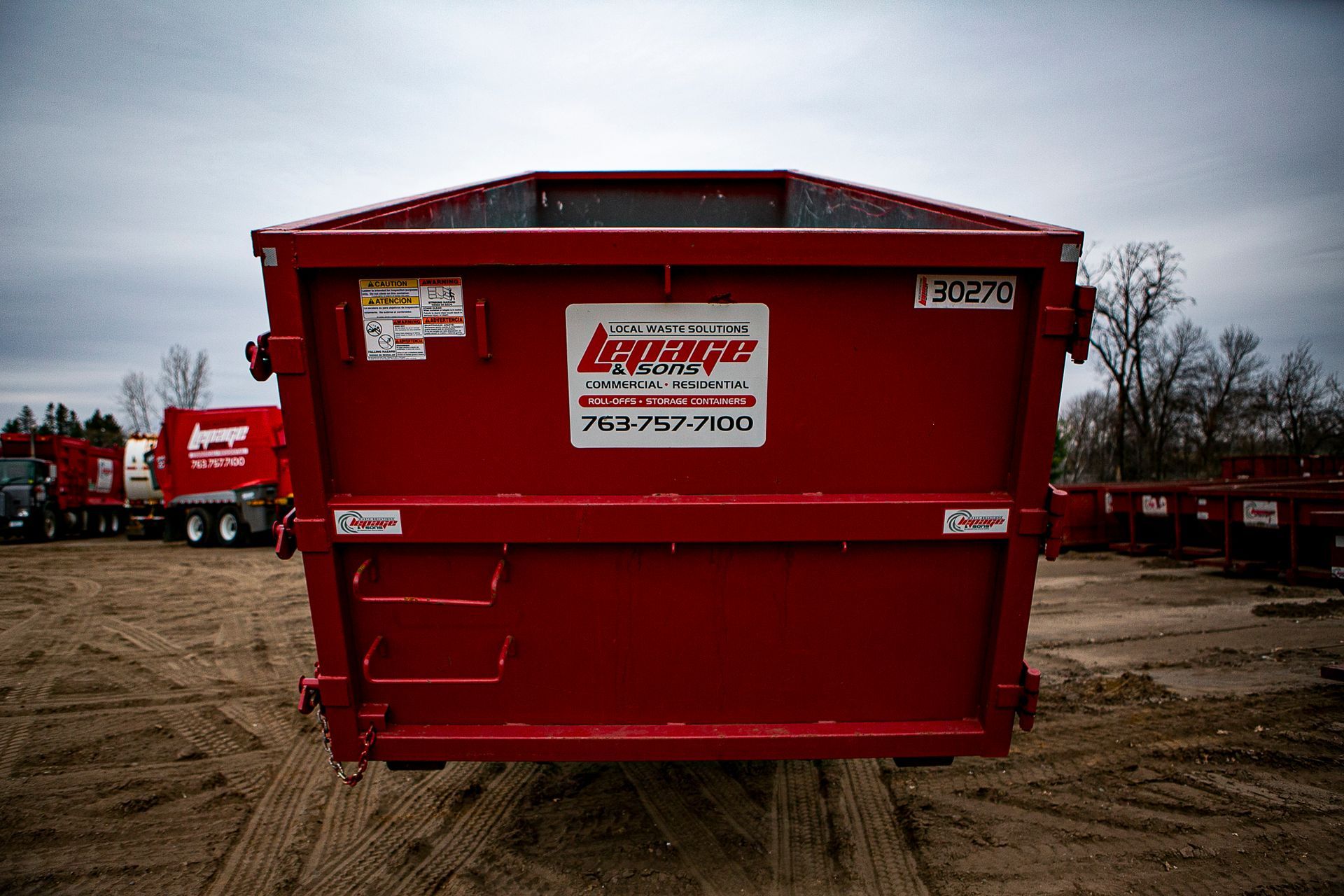
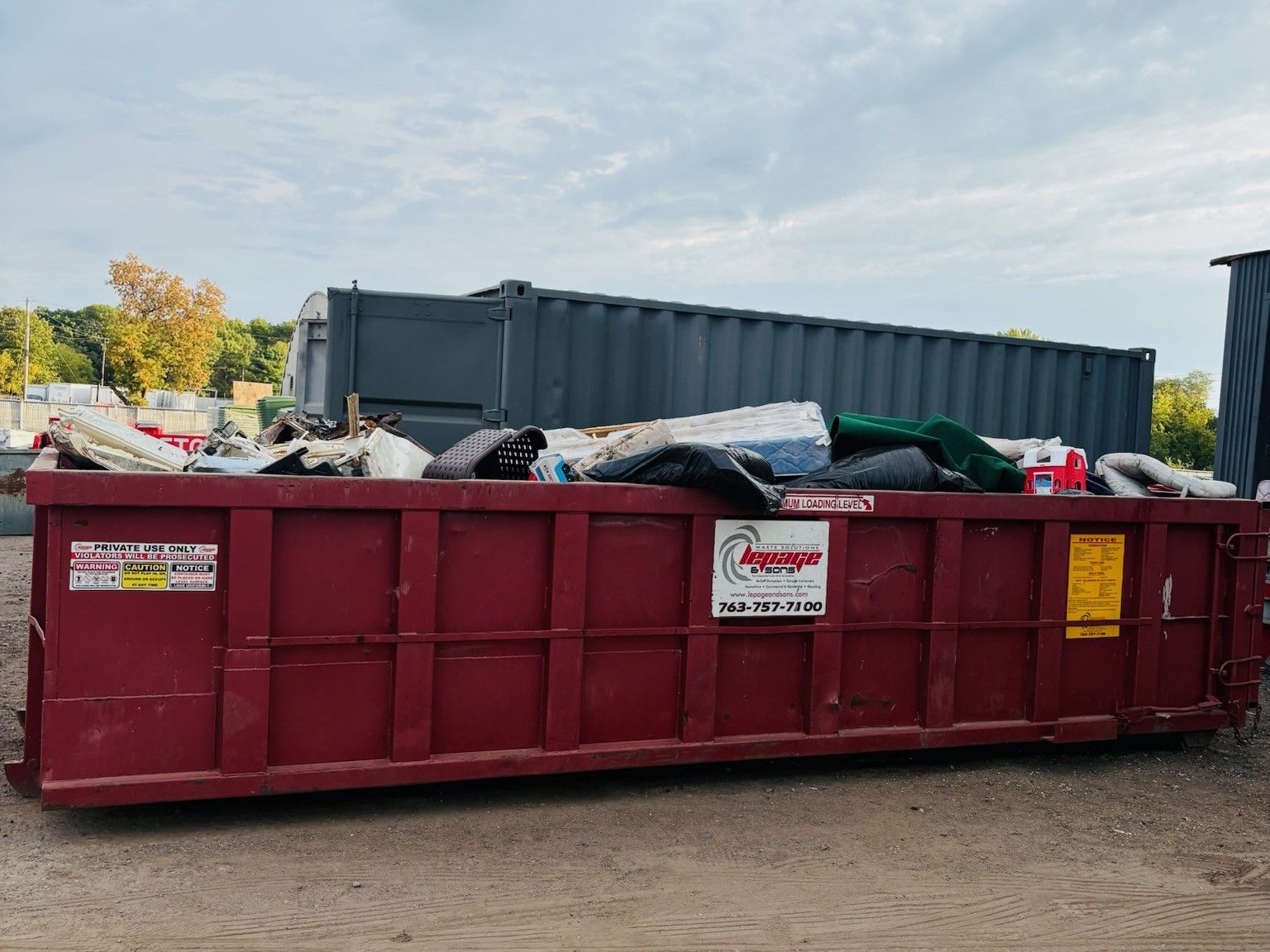
A roll-off dumpster is a large, rectangular container with an open top. It’s designed to be delivered, used for a short time, and then hauled away when you’re done with it. The name “roll-off” comes from the way the dumpster is delivered: it’s rolled off the back of a specialized truck rather than lifted into place.
Unlike your everyday trash bin, roll-off dumpsters are built to handle bulky, heavy materials. They’re perfect for disposing of furniture, construction debris, roofing shingles, and large volumes of household junk. Roll-offs are commonly used for temporary projects where waste adds up quickly and needs to be managed in one central location.
The process itself is pretty straightforward. After you schedule your rental, the dumpster is delivered and placed in a spot that works best for you—usually a driveway for residential projects. You load it at your own pace during the rental period, tossing in debris as your work moves along. When you’re done, the rental company picks it up. They dispose of the contents, so you don’t have to worry about landfill trips or sorting waste yourself.
For many people, the biggest advantage of a roll-off dumpster is convenience. Having one on-site keeps your space cleaner, helps prevent debris from piling up, and allows you to focus on the work instead of figuring out what to do with the mess. It’s a simple system, but when used correctly, it makes a big difference in how smoothly a project runs.
When Do You Need a Roll-Off Dumpster?
If you’re starting a project and wondering what you’re going to do with all the junk, debris, or waste, you’re not alone. That’s usually the moment people realize a roll-off dumpster might be exactly what they need.
Roll-off dumpsters are a go-to solution for projects that create more trash than your regular curbside pickup can handle. Think garage cleanouts, basement purges, home renovations, roofing jobs, or even cleaning out an estate. They’re also commonly used for construction work, demolition, and commercial renovations where waste piles up fast.
Instead of stuffing dozens of trash bags or making multiple trips to the landfill, a roll-off dumpster lets you toss everything in one place as you go. The container is dropped off at your property, stays there while you work, and then gets hauled away when you’re done. Simple, efficient, and a lot less stressful.
For homeowners and businesses in east central Minnesota,
renting a dumpster is often the easiest way to keep a project moving in a clean, orderly fashion. Whether you’re planning a big cleanup or dealing with an unexpected project, a roll-off dumpster can save you time, effort, and headaches.
Roll-Off Dumpster Sizes Explained
One of the first questions people ask when renting a dumpster is, “What size dumpster do I need?” Dumpster sizes are measured in cubic yards, which refers to the amount of material the container can hold. Choosing the right size mostly comes down to the type and scope of your project.
Smaller dumpsters are often used for modest cleanouts or minor renovation work. These are a good fit for clearing out a garage, attic, or small room, or getting rid of a limited amount of debris.
Mid-size dumpsters are a popular option for larger home projects. They’re commonly used for flooring replacements, kitchen remodels, deck tear-outs, or roofing jobs. This size offers a good balance between capacity and footprint.
Larger dumpsters are typically reserved for major projects. Full home renovations, large construction jobs, commercial cleanups, and demolition work can generate a significant amount of waste, and a bigger container helps avoid running out of space mid-project.
Picking the right size matters more than many people realize. A dumpster that’s too small can lead to extra hauls or delays, while one that’s too large may cost more than necessary. If you’re unsure, it’s usually better to think through what you’re throwing away and how quickly debris will pile up.
LePage & Sons offers roll-off dumpsters in 10, 15, 20, 30, and 40 yards.
Contact us if you’re not sure what size you need.
What Can and Can’t Go in a Roll-Off Dumpster
Before you start tossing items into your dumpster, it’s important to understand what’s allowed and what isn’t. While roll-off dumpsters can handle a wide range of materials, not everything can be thrown away this way.
In general, roll-off dumpsters are great for common cleanup and construction debris. That includes things like household junk, wood, drywall, flooring, roofing materials, and yard waste. These are the types of materials most people deal with during cleanouts, renovations, and building projects, and they’re typically safe for standard disposal. Furniture, electronics, and appliances are usually allowed, but they may incur an extra fee.
That said, there are certain items that can’t go into a roll-off dumpster due to safety, environmental, or regulatory reasons. Hazardous materials like paint, chemicals, batteries, propane tanks, and automotive fluids require special handling and disposal.
Knowing these rules ahead of time helps avoid extra fees and delays. It also ensures waste is handled responsibly and in compliance with local and state guidelines. If you’re ever unsure about a specific item, it’s best to ask first!
Roll-Off Dumpster Safety Tips
Roll-off dumpsters are built to handle heavy debris, but using them safely is still important. A few simple precautions can help protect your property, your timeline, and the people working around the dumpster.
When loading a dumpster, it’s best to distribute weight evenly. Dropping heavy items all in one spot can cause the container to shift or make pickup more difficult. Breaking down bulky items like furniture, cabinets, or large boxes also helps keep the load balanced and makes better use of the available space.
It’s also important not to overfill the dumpster. Debris should never extend above the top edge of the container. Overloaded dumpsters can be unsafe to transport and usually result in added fees or delays when it’s time for pickup.
Think about safety around the dumpster, too. Avoid climbing inside the container, and keep children and pets away from the area. If you’re loading heavy materials, wearing gloves and sturdy shoes can help reduce the risk of injury.
Weather can play a role as well, especially in Minnesota. Wet or icy conditions can make surfaces slippery, so taking extra care when loading during rain or snow is always a good idea.
How the Dumpster Rental Process Works (Step-by-Step)
If you’ve never rented a dumpster before, the process may sound complicated, but it’s actually very straightforward. Knowing what to expect ahead of time can make the entire experience smoother and help your project stay on track.
The first step is scheduling your rental. This involves choosing the right dumpster size, selecting a delivery date, and discussing the type of debris you’ll be disposing of. Once that’s set, the dumpster is delivered directly to your property and placed in a pre‑approved location, such as a driveway or designated work area.
After delivery, you can begin using the dumpster right away. One of the biggest advantages of a roll-off dumpster is flexibility. You can load debris as your project progresses instead of scrambling to finish everything in one day. Whether your project takes a few days or spans a longer timeline, having the container on-site helps keep waste contained and organized.
Preparation is important during this stage. Clearing the placement area, protecting surfaces, and understanding loading guidelines can prevent issues later.
When your project is complete—or the dumpster is full—you simply schedule pickup. The container is hauled away, and the waste is disposed of properly. From start to finish, the goal is to make cleanup one less thing you have to worry about.
Where Can You Place a Roll-Off Dumpster?
Before your dumpster arrives, you should think about where it’s going to be placed. Choosing the right location makes delivery easier and helps avoid issues during your rental period.
Most residential dumpsters are placed in a driveway. This is often the most convenient option because it’s close to the work area and doesn’t usually require a permit. Flat, solid surfaces work best and help keep the dumpster stable while you’re loading it.
In some cases, you may need to place your dumpster on the street or a public right-of-way. You may need to get a permit for this, depending on local regulations. This is more common for homes with limited driveway space or commercial projects in busier areas. If you’re unsure whether a permit is needed, ask your local waste company.
Job sites, parking lots, and commercial properties typically offer more placement flexibility, but space and clearance still matter. The delivery truck needs room to safely roll the dumpster off and pick it up later. Overhead obstacles like power lines, tree branches, or garage overhangs can also affect where the container can go.
Weather and ground conditions are worth considering as well, especially in Minnesota. Soft ground, gravel, or muddy areas may not be ideal for supporting the weight of a fully loaded dumpster. Taking a few minutes to plan placement ahead of time can help prevent property damage and delays during delivery or pickup.
If you have questions about the best spot for your dumpster,
LePage & Sons can help.
How Long Can You Keep a Roll-Off Dumpster?
Most roll-off dumpster rentals come with a standard rental period, which gives you enough time to complete the majority of residential or commercial projects. The exact length can vary depending on the project and the rental agreement, but the goal is always to give you enough flexibility without feeling rushed. The standard rental term at LePage & Sons is one week, with each additional week costing $85.
For many homeowners, a week is plenty of time to finish a cleanout or renovation. Larger projects, like remodeling or construction work, may need a longer rental window. The key is estimating how long your project will take and communicating that up front.
It’s also common for projects to take longer than expected. Materials arrive late, weather causes delays, or you uncover more work than planned. In those cases, extending your rental is often an option. Reaching out as soon as you know you need more time helps keep everything running smoothly and avoids last‑minute stress.
On the flip side, if you finish early, you can usually schedule pickup sooner. That flexibility can be helpful if you want the dumpster out of the way or need your driveway back sooner than planned.
When you work with a local dumpster rental company like
LePage & Sons, it’s easier to adjust timelines as needed. Clear communication about your project schedule helps ensure you keep the dumpster for exactly as long as you need.
How Much Does It Cost to Rent a Roll-Off Dumpster?
One of the most common questions people have about dumpster rentals is cost. While pricing can vary, understanding what goes into the price makes it easier to budget and avoid surprises.
Several factors influence the cost of renting a roll-off dumpster. Dumpster size is one of the biggest. Larger dumpsters hold more material and typically cost more than smaller ones. The type of debris you’re throwing away also matters, since some materials are heavier or require special handling at disposal facilities.
Rental length plays a role as well. Most rentals include a standard time period, with the option to extend if needed. Keeping the dumpster longer than planned may result in additional charges, especially if extensions aren’t scheduled ahead of time.
Location and convenience can factor into pricing, too. Working with a local company often means fewer transportation costs and better flexibility if your schedule changes. It also makes communication easier if questions come up during your rental.
Because every project is different, the best way to get an accurate price is to talk through the details with your rental company. A quick conversation about your debris type, project size, and timeline can help ensure you get the right dumpster at a fair rate, without paying for more than you need.
Why Choose a Local Dumpster Rental Company in Bethel, MN?
When it comes to renting a roll-off dumpster, who you work with matters just as much as the container itself. Choosing a local dumpster rental company offers advantages you don’t always get with national providers or online-only services.
Local companies understand the area. That means familiarity with neighborhood layouts, local regulations, and common placement or permit issues that can come up in the north Twin Cities metro. That kind of local knowledge helps prevent delays and makes the rental process smoother from start to finish.
Working with a local team also makes communication easier. If your project timeline changes or you have questions, it’s much simpler to talk directly with local support staff. That flexibility can make a big difference when plans don’t go exactly as expected.
At LePage & Sons, we take pride in supporting the local community with quality waste solutions. From residential cleanouts to commercial projects, we focus on reliable service, clear communication, and meeting your needs. When you work with a local company, you’re working with a team that’s invested in doing the job right.
If you’re planning a project and need dependable roll-off dumpster service in Bethel, MN, or the surrounding area, LePage & Sons is ready to help make cleanup simple and hassle-free.
Frequently Asked Questions About Roll-Off Dumpster Rentals
Do I need to be home when the dumpster is delivered or picked up?
If you can’t be present during delivery, we can discuss placement instructions ahead of time. As long as the placement area is clearly marked and accessible, delivery and pickup can be handled without you being there.
Will the dumpster damage my driveway or property?
Roll-off dumpsters are heavy, especially when full, but you can still protect your surfaces. Placing boards or plywood under the container can help prevent marks on driveways. Choosing the right placement location also reduces the risk of damage.
Can I move the dumpster after it’s delivered?
No, you shouldn’t move the dumpster after it’s placed. Moving them can damage your property and create safety issues. If the location needs to be adjusted, it’s best to call your rental provider so it can be repositioned safely.
What happens if I fill the dumpster before my project is finished?
If your dumpster fills up sooner than expected, you may be able to schedule a pickup and replacement or discuss other options. Calling as soon as you notice it filling up helps avoid delays.
What if I accidentally put a prohibited item in the dumpster?
If you realize a restricted item has been added, reach out to your rental provider right away. In many cases, it needs to be removed before pickup to avoid extra fees or disposal issues. Asking ahead of time is always the best way to prevent this situation.
How far in advance should I schedule a dumpster rental?
Scheduling ahead is recommended for many dumpster rentals. LePage & Sons, however, offers fast delivery times within one to two business days.
Ready to Rent a Roll-Off Dumpster?
If you’re planning a cleanup, renovation, or construction project, the right dumpster can make the entire process easier. From choosing the right size to scheduling delivery and pickup, having a reliable local partner takes the stress out of waste removal.
LePage & Sons proudly serves east central Minnesota and the north Twin Cities metro with dependable roll-off dumpster rentals for residential and commercial projects. Whether you’re tackling a small cleanout or a large job, our team can help you find the right solution and keep your project moving forward.
Have questions or need help getting started?
Fill out our easy form to request a quote or
contact us to talk through your project. Getting the right dumpster is simple—and LePage & Sons is ready when you are.
Share this article