When you’re moving, renovating, or decluttering, the hardest part often isn’t packing boxes—it’s figuring out where to put them. The two main options available to you are on-site portable storage containers and traditional self-storage units. Generally, portable storage containers offer more convenience and flexibility, while self-storage facilities are best for long-term storage of items that you don’t need readily accessible. Let’s take a closer look and see which option is right for you.
Option 1: Portable Storage Containers
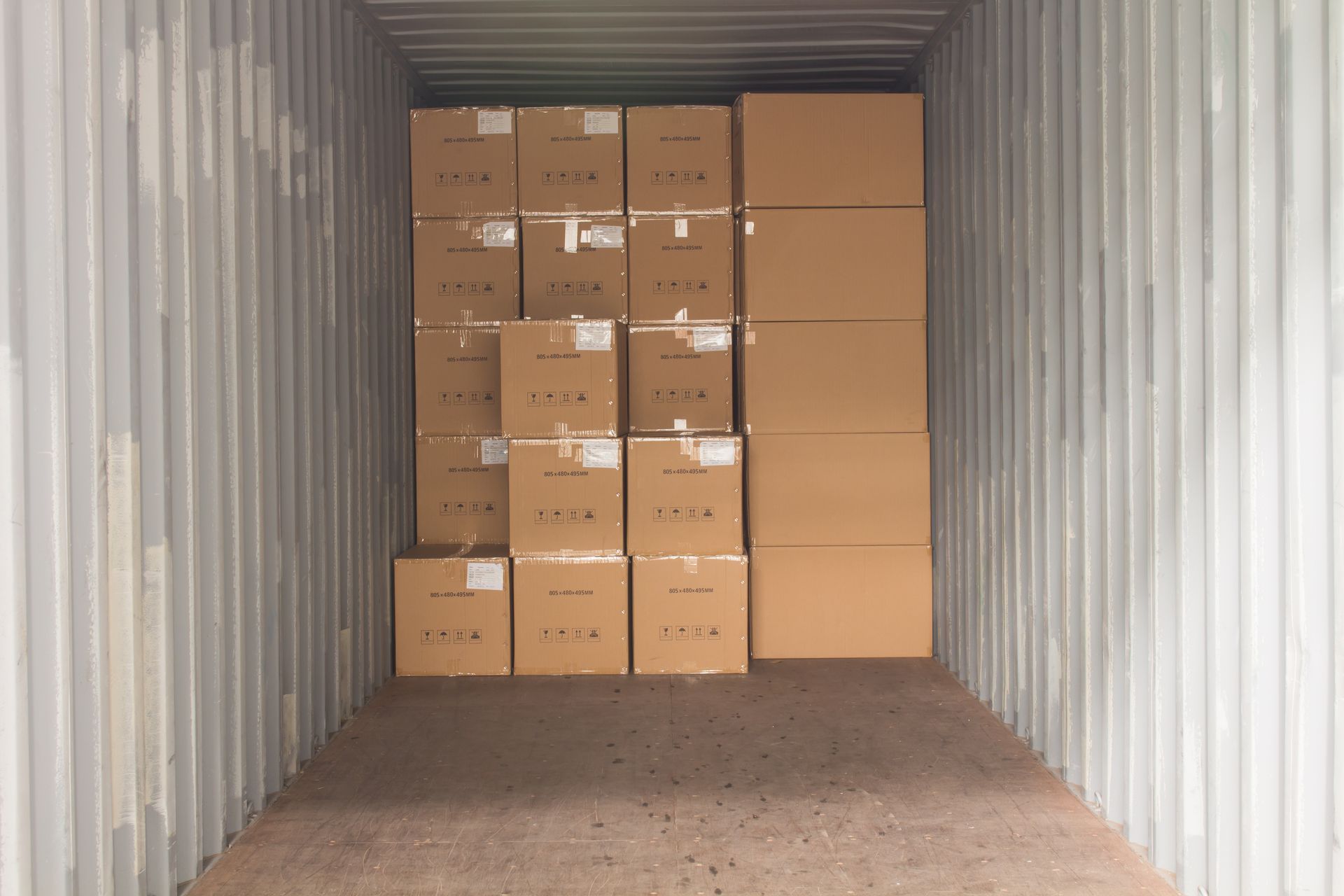
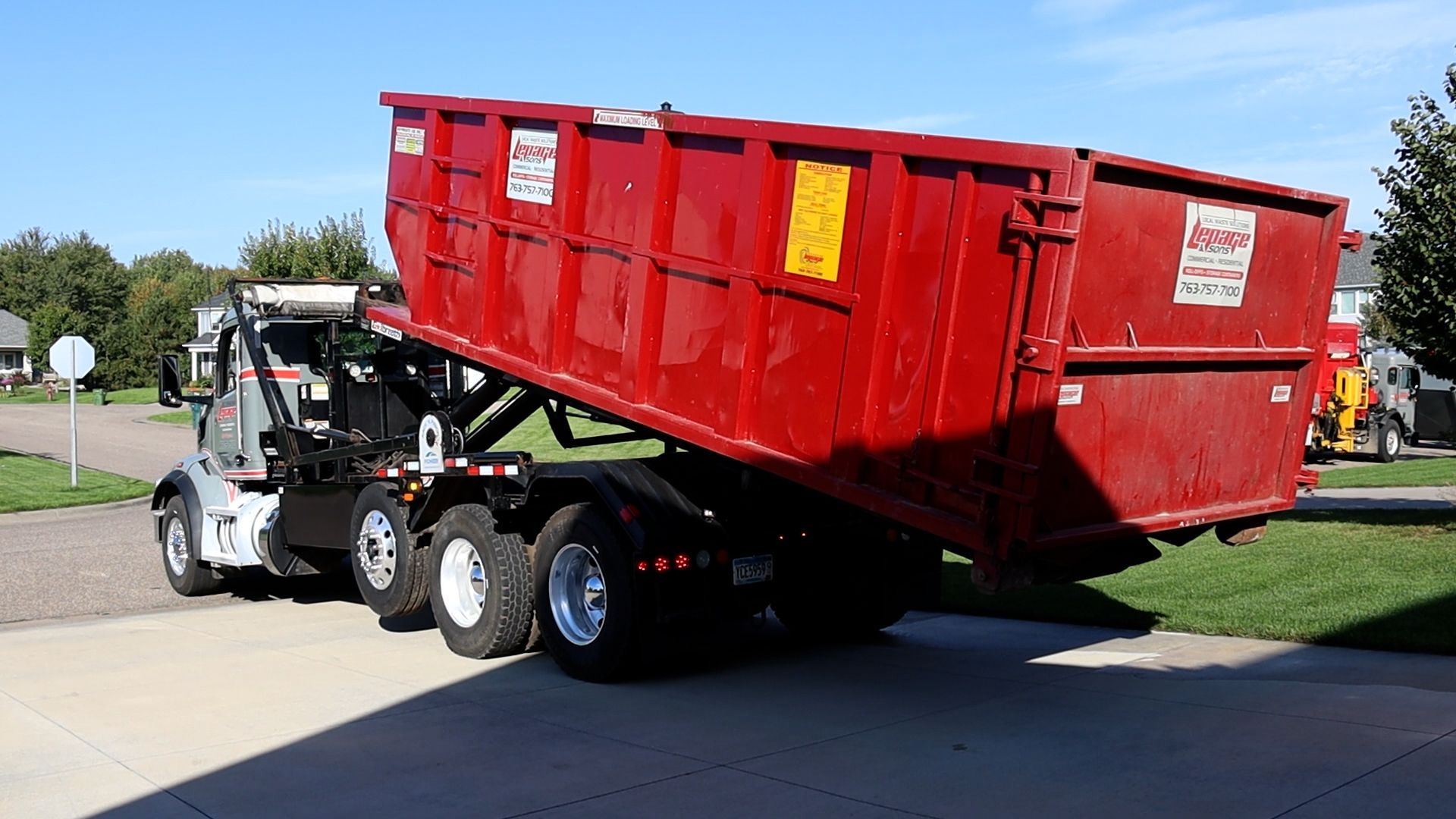
Portable storage containers are delivered directly to your location, whether that be your driveway, yard, or business lot. You load it on your schedule, and it stays on-site or is delivered to a nearby location, such as the home you’re moving to.
The Benefits of Portable Storage:
- Load Once: Pack your belongings directly from your house into the container, eliminating the double handling required when transporting items to a self-storage facility.
- Flexibility: Keep it on your property for as long as you need for easy access to your belongings.
- Zero Driving: There’s no need to rent, drive, or return an unwieldly moving truck.
The main drawback of portable storage is that you need room for it on your property, but most people have no trouble finding space on their driveway or in their yard.
Option 2: Traditional Self-Storage
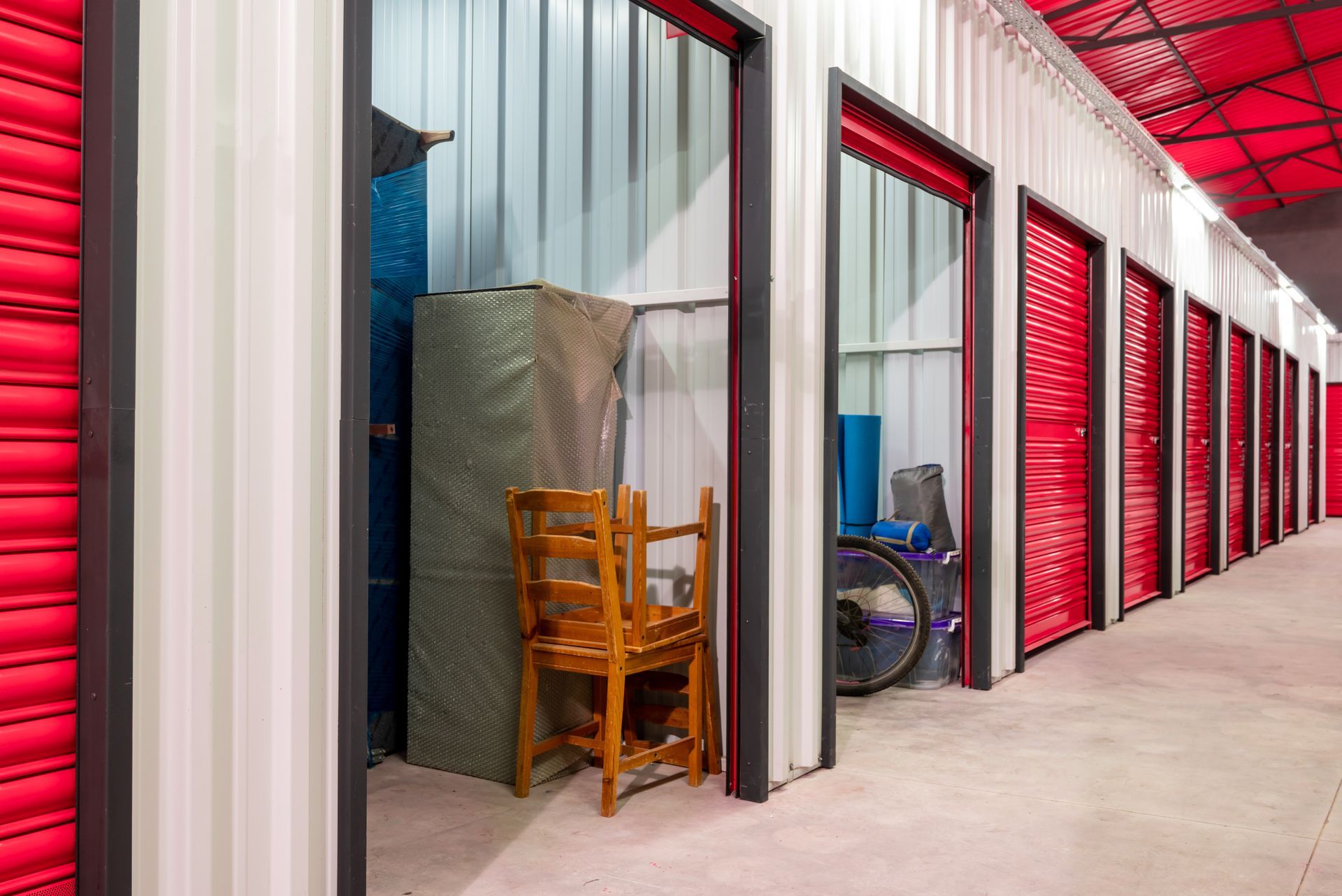
With self-storage, you rent a fixed unit at a local storage facility. You’ll need to pack a vehicle, drive to the facility, and unload your items into the unit.
The Benefits of Self-Storage
- Climate Control: Delicate items like musical instruments or fine antiques may benefit from climate-controlled facilities.
- Size Options: Some self-storage facilities offer a range of unit sizes to best fit your space needs.
- No Property Space Needed: Ideal if you live in an apartment, condo, or have a steep/cramped driveway.
The drawbacks of traditional self-storage are that it requires multiple trips, renting or borrowing a truck, doing the heavy lifting twice, and driving across town every time you need to access something.
Portable vs. Self-Storage: A Head-to-Head Comparison